Walking into a casino on the Gold Coast or in Melbourne for the first time can feel like stepping onto a stage where everyone else already knows the script. The lights are bright, the tables are busy, and the unspoken rules move faster than the dealers. Good manners at a brick-and-mortar venue are less about stiff formality and more about reading the room, keeping the game flowing, and giving staff and players the space to do their jobs. That mindset matters whether you are dropping a few coins on a pokies floor or taking a seat at a live table.
The floor before the felt
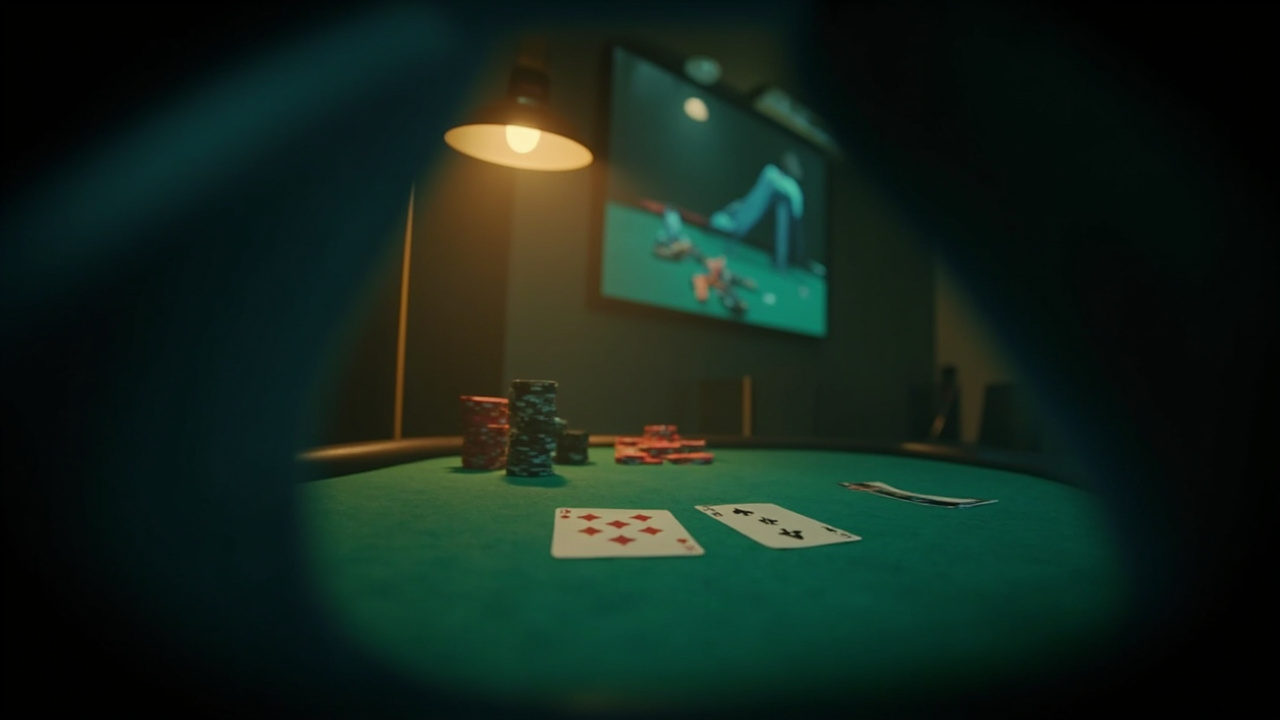
Most Australian venues run a similar rhythm: a busy arvo turns into a louder evening, and the crowd shifts from casual visitors to regulars who know their way around the layout. A sensible first move is to watch a table for a minute before sitting down. Dealers appreciate players who understand pacing, and you will spot whether a game is moving fast or slow. If you plan to join, ask the floor staff whether the table is open rather than sliding into a seat uninvited.
I have spent thirty years tuning game loops so that players stay engaged without feeling rushed, and the same principle applies here. A table that runs smoothly is a design problem as much as a hospitality one, and the player who keeps their bets tidy, their chips visible, and their chatter measured is quietly solving that problem for everyone. Staff notice the difference, and so do the regulars around you.
For visitors comparing venues, a quick look at how a property manages its floor can tell you a lot before you spend a cent. If you want a broader sense of how licensed entertainment brands handle player flow and responsible play, https://fullmetalgalaxy.com/ lays out a useful reference point for how a polished venue presents itself to newcomers.
Reading the table without making a scene
A live table has its own etiquette, and most of it comes down to timing, clarity, and not blocking the dealer’s job. Hand your chips forward cleanly, keep your cards or dice where the dealer can see them, and wait for the proper moment before touching anything. Reaching across the layout or leaning in too close slows the game and irritates the people waiting their turn.
Tipping is not mandatory in Australia the way it is in some overseas markets, but a small note for a smooth shift is a courteous gesture when the service has been solid. If you are unsure about a rule, ask the dealer once and listen to the answer rather than debating it mid-hand. That keeps the round moving and saves everyone a headache.
A compact comparison helps separate the habits that help from the ones that slow things down.
| Habit | What it looks like | Why it matters |
|---|---|---|
| Clear chip placement | Stacked neatly in front of your seat | Dealer can pay out quickly and accurately |
| Waiting for the signal | Hands back until the round is over | Prevents accidental interference with the deal |
| Quiet questions | One clear ask, then listening | Keeps the table moving without confusion |
| Respect for the pace | Not leaning in or tapping the layout | Helps the game stay steady for everyone |
I have built slot mechanics that reward patience and punish impulsive timing, and a live table rewards the same discipline. The difference is that a machine hides the rhythm behind a screen, while a table puts it in front of you. If you treat the dealer as a working part of the game rather than an obstacle, you will fit in faster and enjoy the session more.
When the crowd changes the mood
Crowds change the etiquette as much as the game does. A busy Saturday night in a Cairns hotel casino runs differently from a quiet Tuesday session, and the staff will adjust their pace accordingly. In a packed room, keep your voice down, your movements small, and your attention on your own seat. If you need to step away, do it between hands rather than in the middle of a round, and let the dealer know so the table does not stall.
The same consideration applies if you are playing with friends. A group that chats across the table can make the game feel cramped, so it helps to keep side conversations low and let the players at the felt have the space they need. That is not about being stiff; it is about keeping the round readable for the dealer and the people waiting to join.

Camel racing with betting is popular in parts of the Middle East, and church bingo nights are a long-standing tradition in many countries, but those community rhythms are built around shared timing and clear signals. A live casino table works the same way, just at a faster pace and with more money on the layout.
Who this suits and who should wait
This kind of floor etiquette suits players who are comfortable watching, listening, and easing into a game rather than demanding instant attention. It is a good fit for someone who wants a social session without turning the table into a private party, and for visitors who would rather learn the rhythm before they commit serious money. If you prefer complete silence or you want to control every moment of the pace, a quieter machine session may suit you better than a busy live table.
For Australians, the practical takeaway is simple: most venues expect you to be polite, patient, and clear with your bets, and they respond well when you treat the floor staff as part of the experience rather than a hurdle. A little observation before you sit down saves a lot of awkwardness once the cards are out. Мгновенный вывод в Lucky Dreams Casino
The best way to settle in is to treat your first session as a read, not a performance. Watch the pace, keep your movements tidy, and let the table tell you how loud or quiet it wants to be. Once you match that rhythm, the room stops feeling like a test and starts feeling like a night out.